Ringing Ears After Shooting A Gun
Ear ringing after shooting guns is common, and can be referred to as “acute tinnitus”. Here, I cover these important topics related to ear ringing after shooting:
- What causes tinnitus from loud noise?
- What does left ear ringing mean?
- Can tinnitus be temporary?
- How long does tinnitus last?
- Can you treat tinnitus from loud noise?
- Can you cure ringing ears after shooting a gun?
Intro To Ears Ringing After Shooting
Very loud noises (depending on loudness and duration) can cause acute tinnitus. Here I discuss what happens to the ear organ after gun noise exposure and how this results in tinnitus. Next, I’ll cover whether tinnitus from shooting guns is permanent or temporary. Finally, I’ll give you some suggestions about what you can do if you have ear ringing after shooting a gun.
What causes tinnitus from loud noise?
Tinnitus from loud noise, often referred to as noise-induced tinnitus, is primarily caused by damage to the hair cells in the cochlea (the snail-shaped organ of the inner ear).
The inner ear hearing organ has many cells with microscopic hairs on them that detect the vibration of sound in the fluids of the inner ear. These cells are called hair cells and their function is primarily to convert vibrations of sound into electrical signals, which are then carried by the hearing (auditory) nerve to the brain, allowing us to perceive and understand sounds.
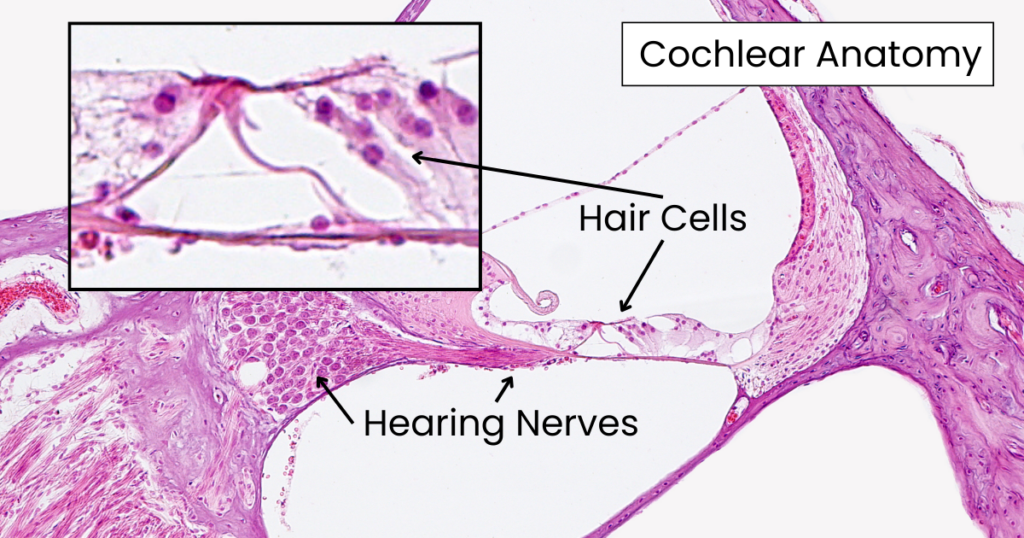
When exposed to loud noises, such as gunfire or concerts, these delicate hair cells can become overstimulated and damaged. This damage disrupts the normal transmission of sound signals to the brain, leading to the perception of the ear ringing or hissing. The pitch of the sound you hear depends on what areas are damaged in the inner ear. High pitch hearing loss causes a high pitched ringing or hissing. Lower pitch hearing loss causes a humming or buzzing sound.
The loud noise also triggers a cascade of events, including the release of neurotransmitters and the generation of molecules (termed oxygen radicals), which can harm the structures within the inner ear. Fortunately, the damage to the inner ear can reverse itself in certain cases. Over time, repeated exposure to loud noises without adequate hearing protection can result in cumulative damage to the hair cells, potentially causing persistent and irreversible tinnitus.
What does it mean when your left ear is ringing?
In the context of shooting long guns, left ear ringing usually means that you are right-handed and your right ear is partly protected from noise damage by the “head shadow” effect. The ear that is further away from the muzzle will have less hearing loss as the head protects the opposite ear from some exposure to the sound.
Ringing in the right ear may indicate that you are left-handed and shot with your right ear closer to the muzzle and your left ear would be protected by the shadow effect.
The “head shadow effect” provides up to a 30 decibel reduction in the sounds reaching the other ear. Extensive research indicates that hunters, especially those exposed to firearms regularly, tend to have greater hearing loss, more so in the ear closer to the muzzle.
Can tinnitus be temporary?
Yes, tinnitus can be temporary in some cases, often occuring after exposure to loud noises. In these instances, the ringing or buzzing sensation in the ears may be a short-term response to the intense sound exposure and can subside over time. However, cumulative damage or certain types of sound can lead to permanent damage to the cells of the inner ear and lead to permanent hearing loss and longer-lasting tinnitus.


How long does temporary tinnitus last?
Depending on the level and duration of noise exposure temporary tinnitus can resolve within 16 to 48 hours. However, even when the ear ringing resolves, some studies indicate that there can also be damage to the connection between the inner ear hair cell and the nerve, termed synaptopathy. The takeaway is that you must take temporary tinnitus seriously and wear better ear protection next time you’re on the range.
How long does tinnitus last?
In the context of shooting guns, tinnitus can last anywhere from hours to days. The initial damage to the inner ear is the event that triggers tinnitus in the short term. However, what causes tinnitus to last is when the brain starts to rewire and pay more attention to the tinnitus sound.
For instance, gun noise in a combat situation can be highly stressful. In these situations, the brain starts to make network associations between the stress of combat and the physical damage to the ear. In these situations, tinnitus frequently becomes long-lasting.
Other factors that can make tinnitus last include stress, diet, or poor sleep. This happens because there is a process in the brain related to migraine that can start which increases the brain’s attention to the tinnitus signal. In addition, migraine can cause a change in the blood flow to the inner ear resulting in some temporary or permanent damage to the inner ear. When this happens, the tinnitus that had been quiet can suddenly become loud again. Fortunately, this loud tinnitus is highly treatable with the interventions we use at NeuroMed.
Can you treat tinnitus from loud noise?
There are some emerging treatments for tinnitus from loud noise that are promising. However, steroids are the only currently approved treatment for loud noise ear damage. Steroids like dexamethasone or prednisone are commonly used for their anti-inflammatory properties, reducing the production of inflammatory molecules. Steroids can be either given as a shot, a pill, or an injection into the affected ear.
Other treatments include the use of antioxidant compounds and/or oxygen radical scavengers. Recall that one of the after-effects of noise-induced ear damage is oxygen radical production and inflammation. There are currently no approved compounds for this, but several promising candidates are in clinical trials.
Can you cure ear ringing after shooting guns?
While there may be no cure for ear ringing after shooting guns, there are some practical tips you can do at home that may help. These include measures like using sound therapy, taking antioxidants, and using stress reduction techniques. Here is a more detailed account of things you can do:
| Intervention | Description |
|---|---|
| White Noise | One thing that may help ear ringing after shooting is to listen to white noise in the background. This won’t make the tinnitus go away, but it will help distract your brain from the tinnitus sound. This may help prevent your brain from creating nerve connections (neural networks) that can make the tinnitus last longer. |
| Drink Water | Staying hydrated after noise-induced hearing loss helps maintain the fluid balance in the brain, supporting its optimal function and reducing the likelihood of the activation of the migraine phenomenon which makes tinnitus loud. |
| Take Antioxidants | Vitamins and supplements that reduce oxygen radical damage may help reduce ear ringing after shooting. There are no good clinical trials yet for this, but there has been some evidence showing that coenzyme q10, vitamin E, and n-acetyl-choline show promise. |
| Try to Relax | You want to try to de-stress as much as you can. When people stress over their tinnitus (catastrophize), it actually makes things worse. Instead, do some relaxing activities and try to not focus on the ear ringing. In most cases, the ringing will settle with time. |
| Get Hearing Protection | Now, while you are motivated, invest in some good hearing protection gear. It’s best to wear a foam ear plug that is placed deep in the ear canal combined with over the ear muffs to maximally reduce the impact of the gun noise on your hearing and to protect you from acute tinnitus. |
One thing that’s important to understand is that people who shoot guns have a higher degree of “hidden hearing loss”. That is, even if they score normal on a hearing test, specialized measurements can detect damage to the hearing nerve. Therefore, always use double hearing protection when shooting guns.
What is double hearing protection?
Double hearing protection, also known as “dual protection,” involves simultaneously using two forms of hearing protection to reduce noise exposure. Typically this would be in-the-canal foam ear plugs combined with over-the-ear sound muffs. This is the best option to try to prevent ear ringing from shooting.
For people with existing tinnitus, protecting their ears is crucial, especially when exposed to loud noises such as shooting guns, as it can exacerbate their symptoms. That’s why double hearing protection, combining earplugs and earmuffs, is often recommended to minimize the risk of further damage and manage tinnitus effectively.
Conclusion: Ear Ringing After Shooting Is Serious
Experiencing ear ringing after shooting a gun underscores the importance of prioritizing ear protection during firearm use. The potential damage to delicate structures within the ear, highlighted by the risk of tinnitus, emphasizes the need for responsible practices. Acknowledging the lasting impact of gunfire noise on auditory function emphasizes that ear ringing after shooting is serious.
Despite the potential for temporary tinnitus to resolve within hours to days, proactive steps such as staying hydrated, minimizing stress, and investing in quality hearing protection gear are crucial for mitigating long-term consequences. By embracing double hearing protection (combining foam earplugs with over-the-ear muffs), you can safeguard your hearing and help protect against tinnitus effectively, ensuring a safer shooting experience and preserving your long-term auditory health.
For those who already have bothersome tinnitus, it’s advisable to consider avoiding gun shooting altogether. Ear ringing after shooting can occur even with double protection. The loud noise can serve as a trigger to make tinnitus worse. Prioritizing auditory health by opting for quieter activities is a proactive decision that will help you better manage your tinnitus. Unfortunately, the near certainty of ear ringing after shooting means that guns may be something that you have to consider giving up. As a tinnitus specialist, I get to say what the cops say, “Sir, put the gun down”.