Skip to content
Testimonials
Meet Our Team
About program
FAQs
Resources
Menu
Testimonials
Meet Our Team
About program
FAQs
Resources
Testimonials
Meet Our Team
About program
FAQs
Resources
Menu
Testimonials
Meet Our Team
About program
FAQs
Resources
Schedule Call Now
Home
-
Tinnitus Treatment
Tinnitus Treatment
All
Articles
Videos
Search
Search
Tinnitus Causes
,
Tinnitus Treatment
Somatic Tinnitus: Powerful Links to Migraine
Is somatic tinnitus really a form of atypical migraine? Learn more about this with tinnitus specialist, Dr. Hamid Djalilian.
Tinnitus Relief
,
Tinnitus Treatment
#1 Critical Error in Tinnitus Treatment
The most common error in tinnitus treatment - by Dr. Hamid Djalilian, ENT physician and tinnitus specialist.
Tinnitus Causes
,
Tinnitus Treatment
Exciting Advances in Tinnitus Research
Tinnitus specialist Dr. Hamid Djalilian covers how the migraine connection is revolutionizing tinnitus research.
Tinnitus Causes
,
Tinnitus Treatment
Ear Ringing After Shooting: Caution and Care
Ear ringing after shooting a gun? Find out more from Dr. Hamid Djalilian, ENT physician and tinnitus specialist.
Tinnitus Causes
,
Tinnitus Treatment
A Critical Look at Allergies and Tinnitus
Can allergies cause ringing in the ears? Learn more about allergies and tinnitus from Dr. Hamid Djalilian, tinnitus specialist.
Tinnitus Causes
,
Tinnitus Treatment
Tinnitus and Stress: A Strong Connection
Learn about how tinnitus and stress are connected from Dr. Hamid Djalilian, ENT physician and tinnitus specialist.
Tinnitus Relief
,
Tinnitus Treatment
A Critical Review of Tinnitus Retraining Therapy
Does Tinnitus Retraining Therapy work? Find out more from Dr. Hamid Djalilian, ENT physician and tinnitus specialist.
Tinnitus Treatment
Avoid Ginkgo Biloba for Tinnitus!
Ginkgo biloba for tinnitus is a scam. Find out why from Dr. Hamid Djalilian, ENT physician and tinnitus specialist.
Tinnitus Relief
,
Tinnitus Treatment
Important Facts About Magnesium Tinnitus Therapy
Does magnesium tinnitus therapy work? Find out more from Dr. Hamid Djalilian, ENT physician and tinnitus specialist.
Tinnitus Relief
,
Tinnitus Treatment
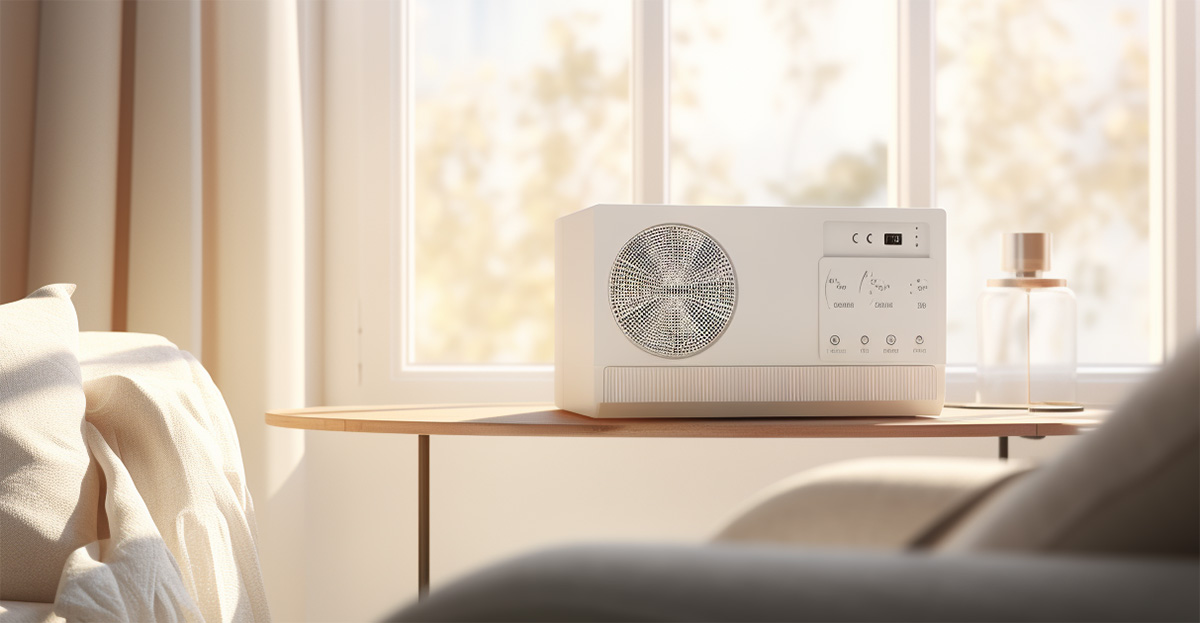
Discover White Noise for Tinnitus
How can white noise for tinnitus bring relief? Learn more from Dr. Hamid Djalilian, an ENT physician and tinnitus specialist.
Tinnitus Relief
,
Tinnitus Treatment
Melatonin Tinnitus Therapy: Strong Medicine
Melatonin tinnitus therapy is a powerful tool, beyond just helping you sleep - with Dr. Djalilian, tinnitus specialist.
Tinnitus Relief
,
Tinnitus Treatment
Meditation for Tinnitus: A Powerful Tool
Does meditation for tinnitus work? Yes! Find out why meditation is so important for tinnitus rehabilitation with Dr. Hamid Djalilian.
Page
1
Page
2